
New battery electric vehicle
$7,500 for a new battery EV on DEQ’s eligible list.
Oregon’s Charge Ahead Rebate is for income-qualified households buying or leasing an eligible EV. The 2026 window runs Aug. 25–Nov. 4, and prequalification is open now.
Oregon DEQ makes the decision. Butler built this guide to help you compare the rules, rebate amounts, and current vehicles.
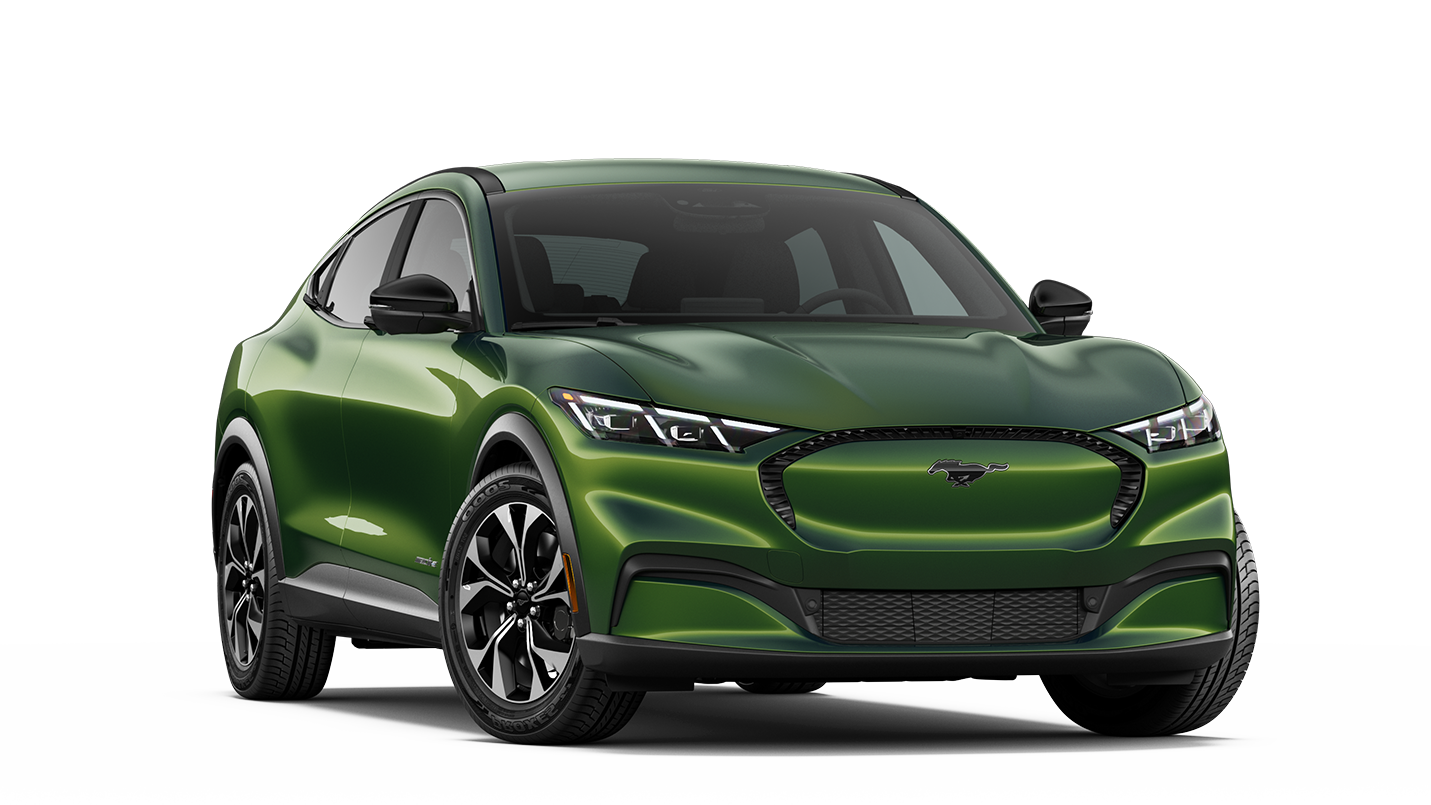
Eligible purchases and leases must occur by Nov. 4, 2026. Confirm available funding with DEQ before signing.
Your amount depends on whether the vehicle is new or used and whether it is a battery EV or plug-in hybrid. Charge Ahead cannot be combined with Oregon’s Standard Rebate.
$7,500 for a new battery EV on DEQ’s eligible list.
$5,000 for a new plug-in hybrid on DEQ’s eligible list.
At least $2,500 when the price is $2,500 or more, up to the lesser of $4,000 or 30% of the vehicle price.
The lesser of $2,500 or the vehicle purchase price.
Use the two calculators for a quick first pass. Oregon DEQ makes the final decision.
Based on these entries, your household appears to be below the guideline.
Uses the 2026 HHS guideline for the contiguous states, multiplied by 400%. DEQ uses adjusted gross annual household income and verifies eligibility. “Household” means people living together as one economic unit.
For a new eligible battery electric vehicle.
The exact vehicle must be on DEQ’s eligible list and meet the base-MSRP and vehicle requirements. This does not reserve funding or guarantee approval.
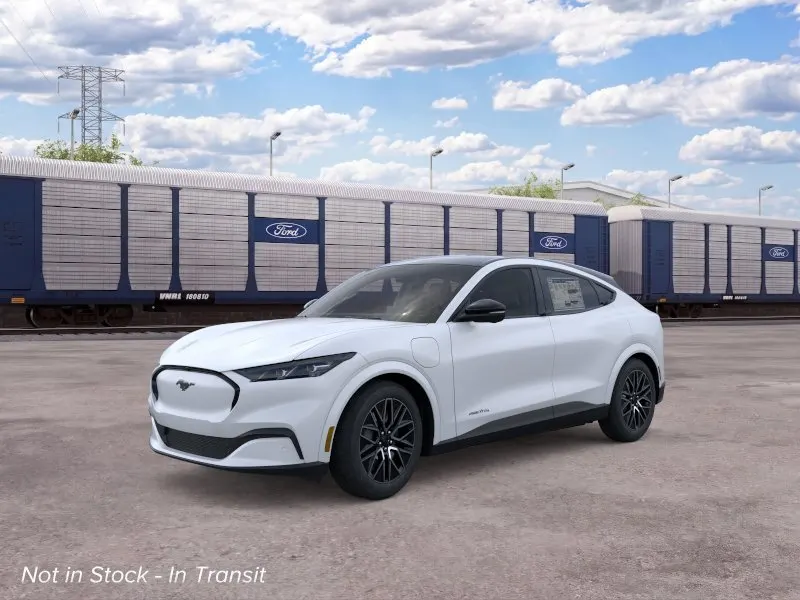
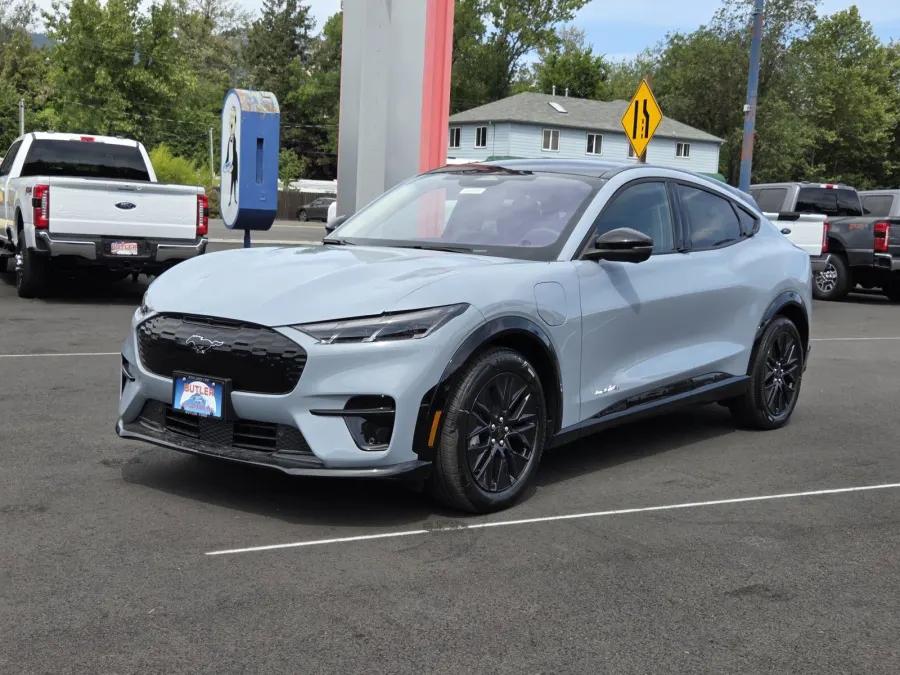
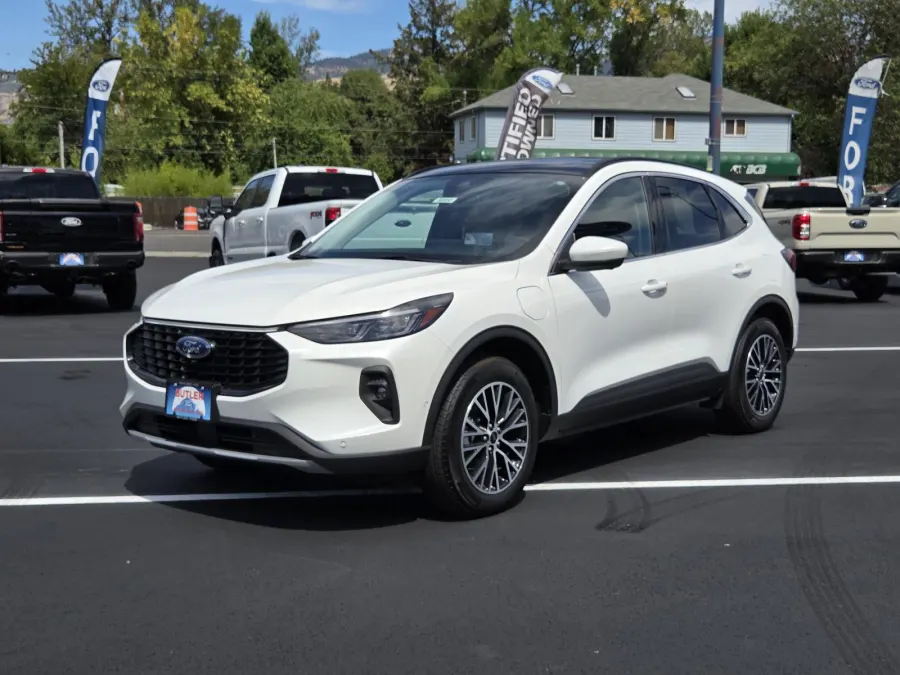
We show only current Ford listings whose model year and powertrain matched DEQ’s table when reviewed Aug. 23, 2026. DEQ still decides based on the exact vehicle, applicant, transaction date, and available funding.
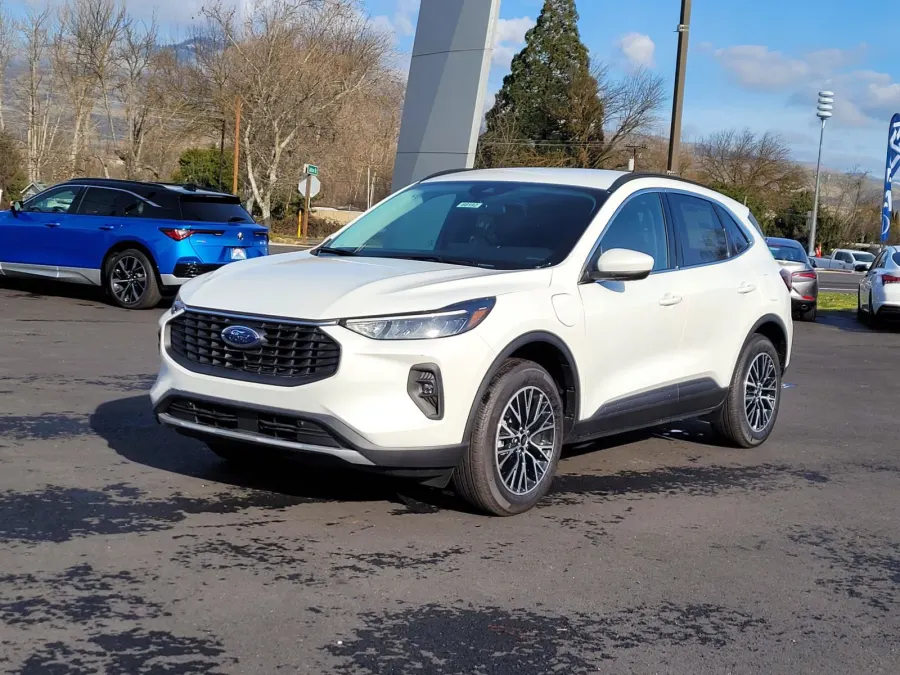 New plug-in hybrid
PHEV
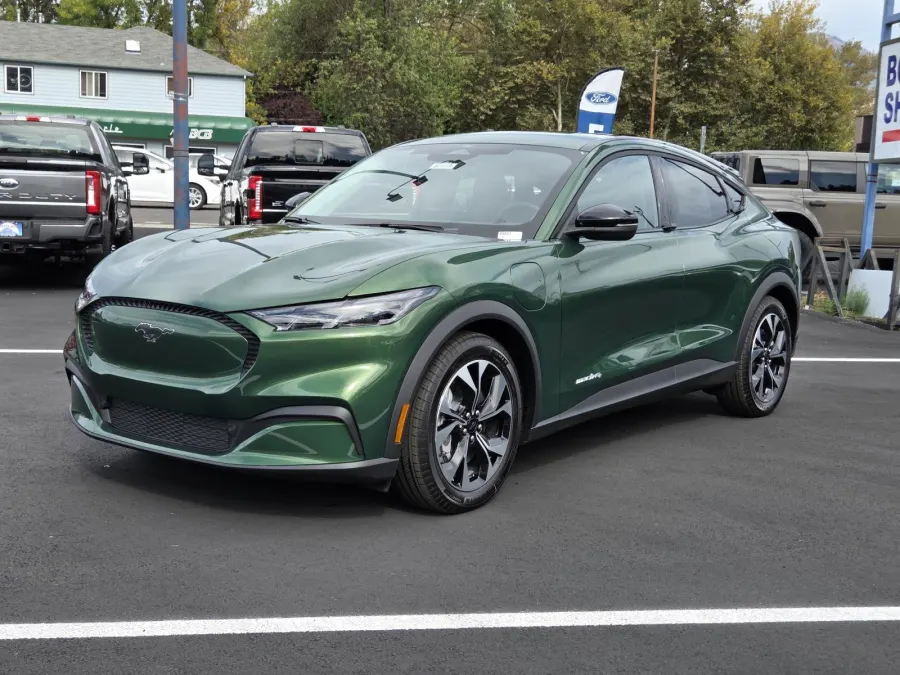 New battery EV
Select
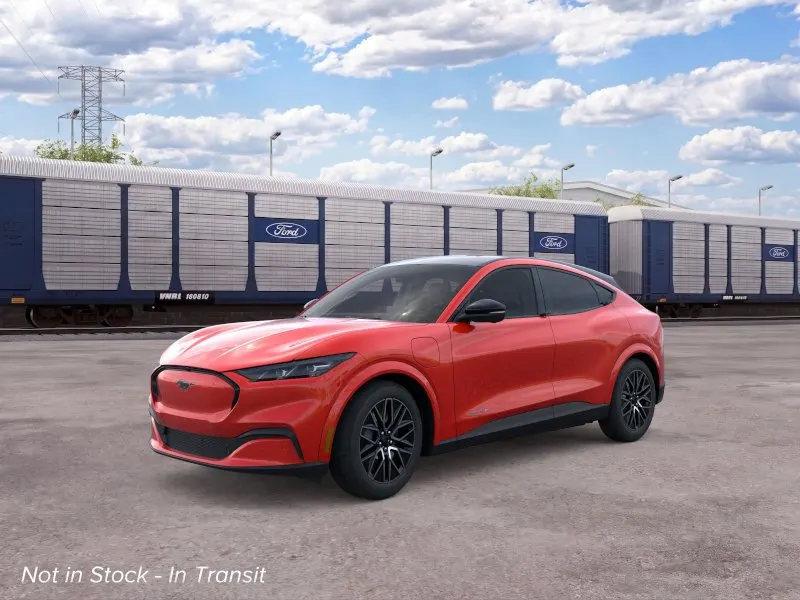 New battery EV
Premium
 New battery EV
Premium
 New battery EV
Premium
 Used plug-in hybrid
PHEV
An electric badge alone is not enough. Model year, powertrain, base MSRP, range, title history, and other DEQ rules matter. We leave uncertain vehicles out of this section.
Check the full state vehicle listBattery EVs eliminate gasoline and several routine engine services. Your actual savings depend on electricity rates, mileage, charging habits, insurance, and the vehicle you choose.
A battery EV has no engine oil, spark plugs, or conventional multi-speed transmission service. Regenerative braking can also reduce brake wear.
Charging at home—especially during lower-cost hours—can cost less per mile than gasoline. Your utility rate and driving pattern decide the real number.
Battery EVs produce no tailpipe pollution. Oregon reports transportation was 35% of statewide greenhouse-gas emissions in 2023.
Electric motors deliver smooth acceleration without gear changes. A plug-in hybrid keeps a gas engine for longer trips after electric range is used.
lower life-cycle emissions for a light-duty EV than a traditional gasoline car, according to the State of Oregon’s Go Electric Oregon guidance.
Enter your utility rate, gasoline price, annual miles, and vehicle efficiency. This calculator compares energy costs only.
Public charging, seasonal efficiency, towing, climate use, utility plans, and gasoline prices can all move the estimate.
Energy-only estimate. It excludes financing, insurance, maintenance, taxes, fees, charging equipment, demand charges, and public-charging premiums.
The date of the purchase or lease is decisive. A vehicle bought while the program is suspended cannot be made eligible later.
DEQ can verify income through a recent Oregon tax transcript or proof of current enrollment in an approved public-assistance program.
Open the official applicationConfirm the exact model year and vehicle type. New and used vehicles must have a base MSRP under $50,000 and meet the other published vehicle rules.
View the state vehicle listUse a certified dealer or qualifying manufacturer. Butler Ford and Acura appear on DEQ’s participating-dealer list for new and used Ford and Acura vehicles.
Verify participating dealersAt a participating dealer, a prequalification voucher can be applied at the point of sale. Otherwise, submit the post-purchase application within six months.
Visit the rebate portalEvery item must apply. Oregon DEQ still makes the final determination.
Tell us whether you are checking income, comparing EV types, or ready to use a voucher. We can narrow the current Butler options and explain the dealership step. Oregon DEQ alone decides eligibility.
Reviewed against Oregon DEQ program pages and the 2026 adopted rules on Aug. 23, 2026.
For the 2026 open period, Oregon DEQ lists $7,500 for a new eligible battery EV, $5,000 for a new eligible plug-in hybrid, up to $4,000 for a used eligible battery EV, and up to $2,500 for a used eligible plug-in hybrid. Used-vehicle amounts can be limited by the vehicle price.
An individual applicant must live in a household with adjusted gross annual household income below 400% of the federal poverty guideline for the household size. Oregon DEQ verifies income or qualifying public-assistance enrollment.
No. Oregon DEQ states that applicants may receive either the Standard Rebate or the Charge Ahead Rebate, not both for the same purchase or lease.
No. The vehicle must be purchased or leased from a certified vehicle dealer or qualifying original equipment manufacturer. Person-to-person sales are not eligible.
Individuals with a Charge Ahead Prequalification Voucher may use it at a participating dealership. The participating dealer can submit the application and deduct the rebate from the purchase or lease price. Without that voucher, the applicant generally applies after purchase within six months.
Funding, vehicle eligibility, and program rules can change. The state pages below are the final reference.
Butler Ford Acura is not Oregon DEQ and cannot determine or guarantee rebate eligibility, payment, timing, or funding. Estimates on this page are educational planning tools, not offers or state determinations.